
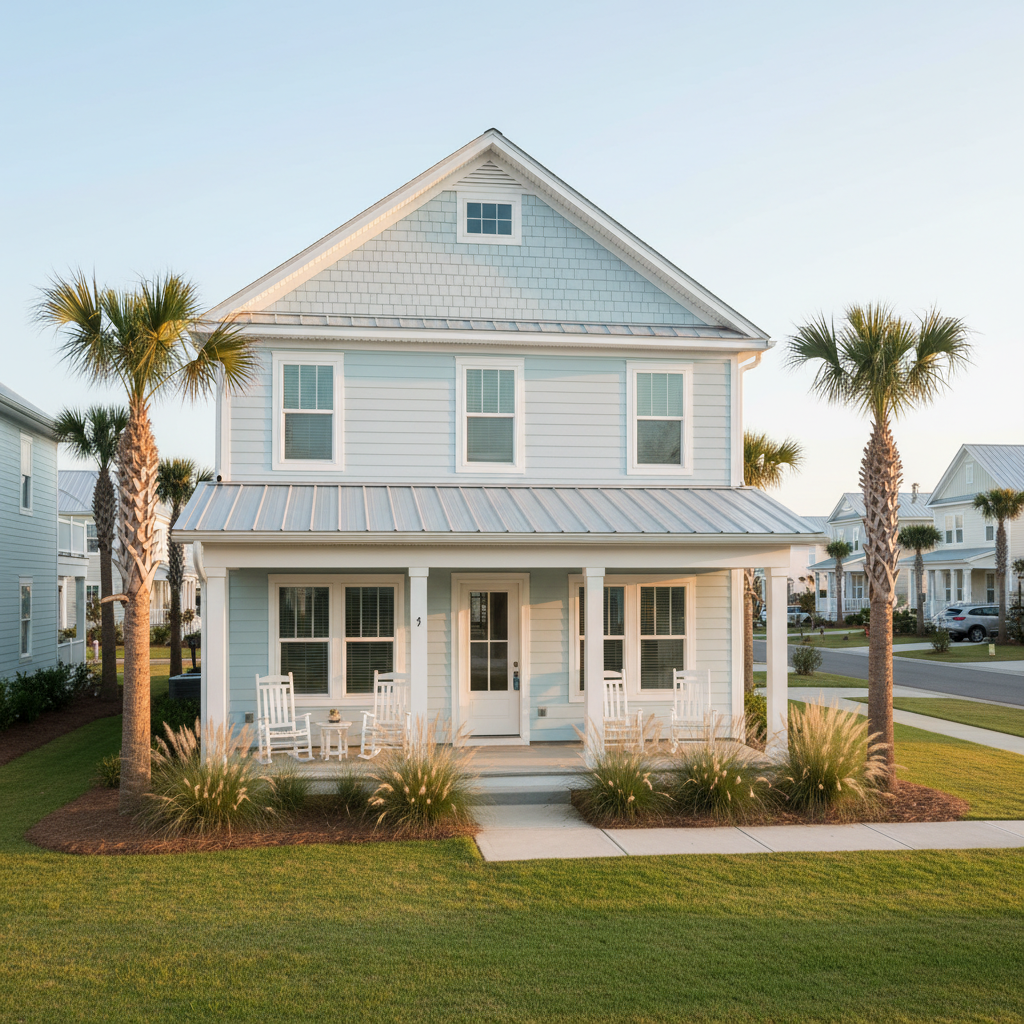
As summer winds down and families in Wilmington, Wrightsville Beach, Hampstead, and Leland settle back into their routines, many homeowners begin noticing water issues that weren’t as obvious during peak vacation season. Salty air, seasonal storms, rising groundwater, and shifting coastal conditions all play a role in the quality of tap and well water across coastal North Carolina.
Whether you live along the beach or just inland, coastal water filtration isn’t just a luxury—it’s essential for protecting your home, plumbing, and long-term health. Understanding what’s in your water helps you make the right upgrades before the busy fall season.
Coastal North Carolina homes face unique water challenges—from sediment and salt intrusion to chlorine spikes and PFAS contamination. Wilmington water treatment systems and coastal well water filtration offer long-term protection, improved taste, and stronger home safety as families return to normal schedules.
Why Coastal Water Has More Challenges Than Inland Regions
Living near the coast comes with perks—but it also introduces factors that directly impact Wilmington water treatment needs:
- Salt and mineral intrusion from rising groundwater and storm surge
- Heavy rainfall washing sediment and contaminants into surface water sources
- Aging municipal infrastructure in coastal cities
- PFAS and industrial runoff from historic Cape Fear River contamination
- Higher chlorine use to stabilize city water during warm months
Each of these issues affects water differently, which is why coastal homes require more robust filtration compared to inland regions.
Challenge #1: Salt Intrusion & Rising Groundwater
In coastal communities like Wrightsville Beach, Hampstead, and parts of Leland, rising sea levels and storm surge increase the risk of saltwater mixing with freshwater aquifers.
Salt intrusion leads to:
- Corrosion in plumbing
- Metallic taste in tap water
- Higher sodium levels in well water
- Faster deterioration of water heaters and fixtures
Standard filters don’t remove salt—specialized reverse osmosis systems are required for safe, drinkable water.
Challenge #2: PFAS Contamination in the Cape Fear Region
PFAS (“forever chemicals”) have been a widespread issue in the Wilmington area for years. Even in 2026, many homeowners remain at risk of exposure through municipal water and shallow wells.
PFAS cannot be removed by refrigerator filters or basic carbon filters. A reverse osmosis system or advanced multi‑stage carbon filtration is the most effective choice.
Challenge #3: Heavy Chlorine Levels in Wilmington’s Municipal Water
Because Wilmington relies heavily on surface water sources, the city uses elevated chlorine levels during summer to control bacteria and algae growth. As families head into fall routines, chlorine-heavy water becomes more noticeable.
Signs include:
- Strong chemical taste
- Dry or irritated skin
- Brittle hair after showering
- Bleach-like odor at the tap
Whole‑home carbon filtration eliminates chlorine and improves taste and comfort throughout the home.
Challenge #4: Sediment and Storm Runoff
Late-summer storms bring increased sediment, tannins, and organic contaminants into coastal water systems. Homeowners in Hampstead and Leland often notice cloudy water or sandy residue.
Sediment affects:
- Plumbing (clogs and abrasion)
- Appliances (water heaters, dishwashers, washing machines)
- Drinking water clarity
A whole‑home sediment filter combined with carbon filtration can significantly reduce these issues.
Challenge #5: Coastal Well Water Needs Specialized Treatment
Coastal wells face unique problems not found in inland well systems:
- Iron and manganese staining fixtures orange or black
- Hydrogen sulfide (“rotten egg smell”)
- Saltwater intrusion during storms or droughts
- High sediment loads from shifting coastal sands
Effective coastal well water treatment requires tailored solutions such as:
- Iron filtration
- RO systems for drinking water
- Whole‑home carbon filtration
- UV or oxidation systems (depending on well test results)
How Coastal Water Filtration Protects Your Home & Family
Homeowners in Wilmington, Wrightsville Beach, Hampstead, and Leland often see immediate improvements with a professionally installed coastal filtration system, including:
- Better-tasting drinking water
- Reduced corrosion in plumbing
- Longer appliance lifespan
- Softer, healthier showers
- Less staining and mineral buildup
As families transition into the fall school year, consistent, safe water becomes even more important—especially for cooking, hydration, and day‑to‑day comfort.
FAQ
Why does coastal water taste different?
Salt intrusion, chlorine, and sediment are more common in coastal regions, causing noticeable taste and odor changes.
Is Wilmington’s tap water safe to drink?
The city meets federal standards, but PFAS, chlorine byproducts, and sediment concerns lead many homeowners to choose additional filtration.
What filtration system is best for coastal homes?
A combination of whole‑home carbon filtration and reverse osmosis provides the strongest protection, especially in areas with salt intrusion or PFAS concerns.
Do coastal wells need special treatment?
Yes—coastal well water often requires iron filtration, sediment removal, and sometimes RO systems for safe drinking water.
How do I know what my home needs?
A professional water test is the best first step. It identifies specific contaminants and determines the right treatment for your location.
At Orca Blue Water, we help homeowners from Wilmington to Hampstead and Wrightsville Beach get clean, safe, great‑tasting water with customized coastal water filtration solutions. As you settle back into your August routine, we’re here to make sure your home’s water is ready for the season ahead.