
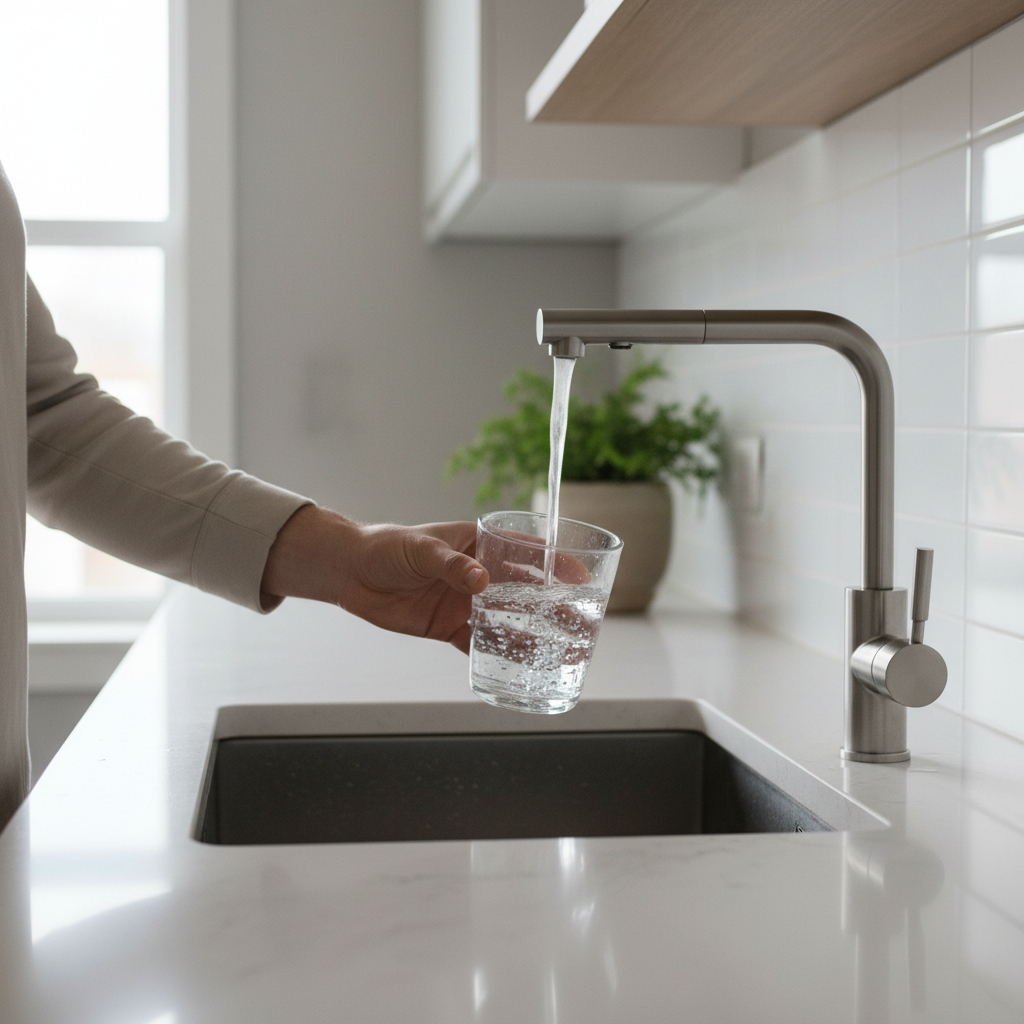
North Carolina homeowners are becoming more aware of what’s flowing from their faucets—and for good reason. From PFAS to chlorine to heavy mineral content, the tap water in many NC homes contains contaminants that affect taste, health, and the long‑term condition of plumbing and appliances.
At Orca Blue Water, we test water every day throughout Wake Forest, Raleigh, Durham, and the surrounding areas. What we find is often surprising to homeowners—but understanding what’s in your tap water is the first step toward fixing it.
PFAS: “Forever Chemicals” Found in NC Drinking Water
PFAS (per‑ and polyfluoroalkyl substances) have made headlines across the state—especially in central and eastern North Carolina. These man-made chemicals come from industrial runoff, firefighting foam, nonstick coatings, and countless other sources.
The issue? PFAS don’t break down easily. They build up in groundwater and, ultimately, in our bodies. Studies have linked them to:
- Hormonal disruptions
- Immune system interference
- Increased risk of certain cancers
- Pregnancy complications
PFAS cannot be removed by basic fridge filters or standard pitcher filters. The most effective home solution is a reverse osmosis (RO) system, which uses multi-stage filtration to remove even the smallest contaminants.
Chlorine: A Necessary Disinfectant—With Unpleasant Side Effects
Most city water systems in North Carolina add chlorine to kill bacteria and pathogens. While it’s effective for safety, it brings its own problems to your home:
- Dry skin and brittle hair—especially noticeable in spring and summer
- Strong smell and taste that affects cooking and drinking
- Damage to rubber plumbing parts over time
A whole‑home carbon filtration system removes chlorine before it ever reaches your shower, kitchen, or laundry.
Hard Water Minerals: Hidden Causes of Home Damage
North Carolina is notorious for hard water, especially in the Triangle and surrounding areas. Hard water contains high levels of calcium and magnesium, which create mineral buildup throughout the home. Some signs include:
- Scale on faucets and shower doors
- Dry, irritated skin even with good skincare products
- Shortened appliance lifespan (water heaters, dishwashers, washing machines)
- Dingy clothes and stiff towels
- Spotty dishes and cloudy glassware
The most effective solution for hard water is a whole‑home water softener, which removes the minerals before they can build up in your pipes and fixtures.
Other Common Contaminants in NC Tap Water
Depending on whether you have city water or well water, additional contaminants may include:
- Iron & sediment: Common in well water; causes staining and clogging.
- Microorganisms: Bacteria and parasites more common in untreated well systems.
- Volatile organic compounds (VOCs): From industrial or agricultural runoff.
Each requires different filtration methods—another reason a professional water test is essential.
How Orca Blue Helps NC Homeowners Get Cleaner, Safer Water
Every home’s water is different. That’s why we always start with a free, in‑home water quality test. Once we know what’s in your water, we can recommend the right solution, including:
- Reverse osmosis (RO) systems for PFAS removal and ultra-purified drinking water
- Whole‑home filtration for chlorine, odors, and chemical contaminants
- Water softeners for mineral removal and long‑term home protection
We’re a family-owned business based in Wake Forest, proudly serving the Triangle with honest testing, affordable financing, and transparent education—so you always know exactly what’s coming out of your tap.
If you’re curious about what’s in your water or concerned about contaminants, we’d be happy to test it for free and walk you through your options.