
Wilmington homeowners
commonly have three water-quality concerns: PFAS in the Cape Fear River watershed, hard water in private wells, and the chlorine taste or odor associated with treated city water. The right solution depends on the home’s water source, the actual test results, and what the family wants to improve for drinking, bathing, appliances, and overall peace of mind.
For Wilmington-area homes, Orca Blue Water starts with a free in-home water quality test.
It is the clearest way to move beyond assumptions and understand what is coming through the tap in that specific home.
PFAS in the Cape Fear River Watershed
PFAS, often called “forever chemicals,” are the water issue most people associate with Wilmington and the greater Cape Fear region. These man-made chemicals have been detected in the Cape Fear River watershed, including compounds associated with GenX. Because the river is a major source of water for the area, PFAS has understandably become a lasting concern for local homeowners.
It is important to be precise: documented PFAS detections in the Cape Fear River do not mean every glass of treated municipal tap water is unsafe. Cape Fear Public Utility Authority has invested in treatment and ongoing monitoring, including granular activated carbon filtration. Still, many residents want another layer of confidence at the kitchen sink especially for drinking water, ice, coffee, cooking, baby formula, and pets.
A properly selected reverse osmosis system
is a practical option for homeowners who want to reduce a broad range of unwanted contaminants in their drinking water. Reverse osmosis can reduce lead, man-made chemicals, sediment, and more. For many Wilmington families, it is an added measure of peace of mind for the water they consume every day.
Private Well Water Can Bring Different Challenges
Homes on private wells
should not assume their water has the same profile as city water. Well water can vary dramatically from one neighborhood or even one property to the next. In and around Wilmington, hard water is a common issue. Hard water contains elevated dissolved minerals, most often calcium and magnesium.
Hard water may not always look alarming in a glass, but its effects can show up throughout the home: white scale on fixtures, cloudy glassware, soap that does not lather well, dry-feeling skin and hair, dull laundry, and mineral buildup in water heaters, dishwashers, shower doors, and plumbing fixtures. Over time, scale can make appliances work harder and may shorten their useful life.
PFAS is also a separate consideration for some private-well households in the lower Cape Fear region. A well is not automatically cleaner simply because it is not connected to municipal water. Testing matters. A whole-home filtration recommendation should be based on the actual water chemistry not a generic guess.
Why City Water May Smell or Taste Like Chlorine
Many Wilmington city-water customers notice a chlorine smell or taste, particularly when they first turn on the faucet, after water has sat in plumbing, or when taking a warm shower. Chlorine is commonly used as a disinfectant to help control microbes while water travels through the distribution system. That disinfection role is important, but it can leave behind an odor or flavor that some families dislike.
That experience is not only about drinking water. Chlorine-related odor can be more noticeable in showers because warm water releases more volatile compounds into the air. Homeowners may also notice that their skin feels dry after bathing or that food and beverages taste different when prepared with tap water.
For city-water homes, a whole-home filtration system
can be designed to address chlorine taste and odor at every fixture, while a reverse osmosis system
can provide a dedicated source of highly filtered water for drinking and cooking. Orca Blue Water helps Wilmington homeowners understand the difference between treating water for the entire home and polishing water at one drinking-water tap.
Whole-Home Filtration, Softening, and Reverse Osmosis
There is no one-size-fits-all answer. A whole-home filtration system can target chlorine taste and odor, sediment, and other water-quality concerns before water reaches showers, laundry, and appliances. A water softener is intended to address hardness minerals that create scale and reduce soap performance. A reverse osmosis system is typically installed for drinking and cooking water.
Some homes benefit from one solution; others benefit from a combination. For example, a well-water household with significant hardness may need a softening solution, while a city-water household may be more focused on chlorine reduction and filtered drinking water. System placement, water hardness, home layout, and a homeowner’s desired customization all affect the best recommendation.
Orca Blue Water offers whole-home filtration, water softeners, and reverse osmosis systems so homeowners can build a solution around their actual needs rather than buying equipment based on a broad online claim.
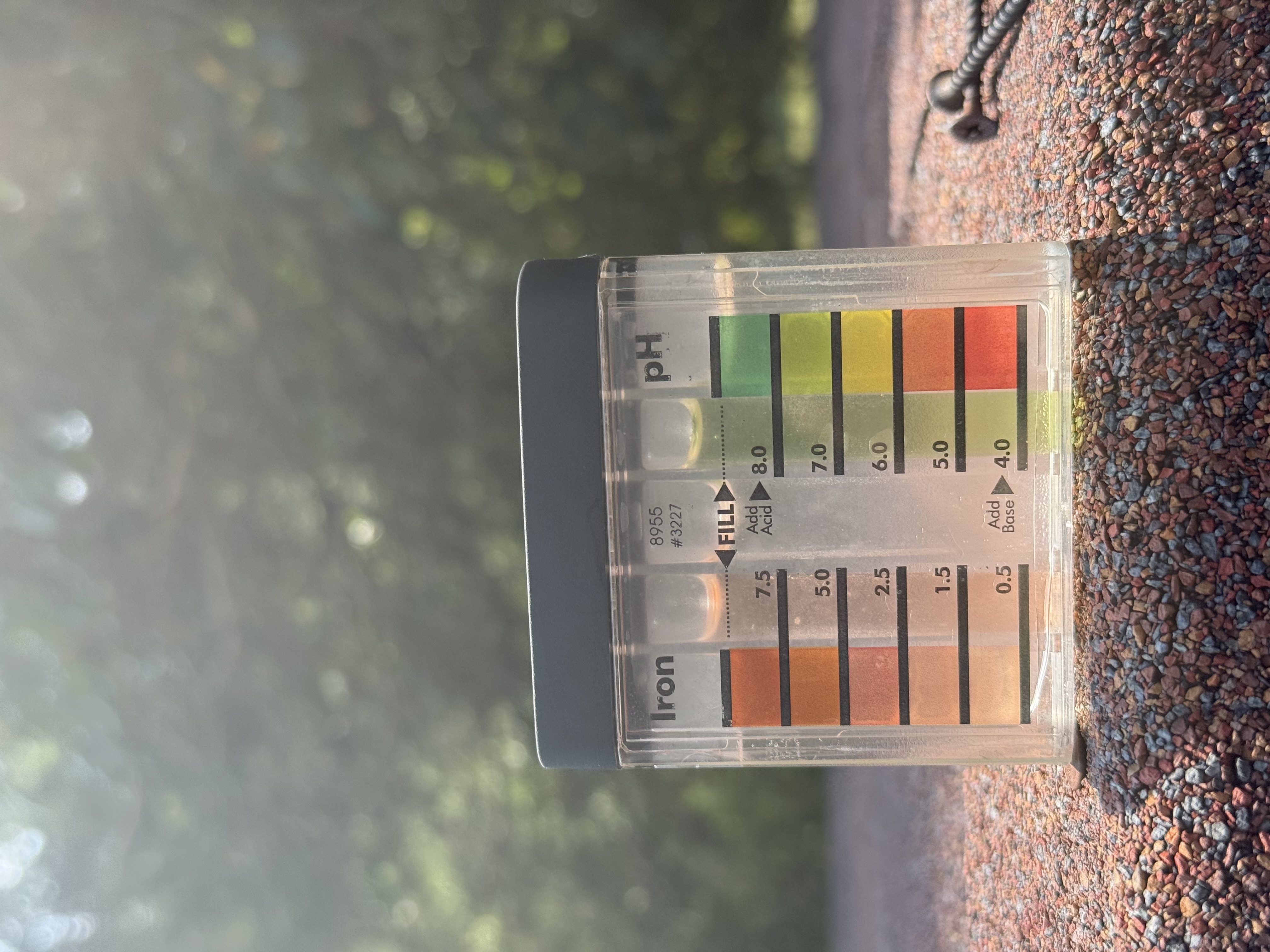
Start With a Water Quality Test
The most useful first step is testing the water in the home. A test can identify hardness and help clarify issues such as chlorine, sediment, and other water-quality indicators. It also gives homeowners a chance to ask questions about the water they drink, cook with, shower in, and use to protect expensive appliances.
Orca Blue Water serves Wilmington as needed with a local, education-first approach. The goal is not to create fear about local water; it is to give homeowners clear information and practical options. Whether the concern is PFAS in the Cape Fear River, hard private-well water, or chlorine in city water, a free water test creates a useful starting point.
FAQ
Is Wilmington city water safe to drink?
Municipal water is treated and monitored by the local utility. However, PFAS in the Cape Fear watershed has led many homeowners to add in-home filtration for extra confidence, especially for drinking and cooking water.
Does a private well need to be tested?
Yes. Well water quality can vary by property, and testing is the best way to identify hardness, sediment, and other concerns before choosing equipment.
Can hard water damage appliances?
Hardness minerals can create scale buildup in water heaters, dishwashers, fixtures, and plumbing. A properly sized water softener can help reduce that buildup.
Why does my tap water smell like chlorine?
Chlorine is used to disinfect municipal water, but some homeowners notice its taste or odor. Whole-home filtration can reduce that experience throughout the house.
What system is best for PFAS concerns?
For drinking and cooking water, reverse osmosis is commonly recommended as part of a broader water-treatment plan. The best setup should follow a water test and an assessment of the home’s water source and goals.