
Most Raleigh homeowners drink, cook, shower, and wash clothes with their water every day without ever thinking about what’s actually in it. But what if the water flowing through your home is quietly affecting your appliances, plumbing, skin, hair—and even how much you spend on home maintenance?
At Orca Blue Water, we test water across North Carolina every single day. Based on what we see inside homes throughout Raleigh, Wake Forest, and the surrounding areas, there are several important things homeowners should know before minor water issues turn into major expenses.
Where Does Raleigh’s Water Come From?
The City of Raleigh gets most of its water from Falls Lake and a combination of other local reservoirs. While this water is treated for safety, treated water and ideal water aren’t the same thing.
Even fully treated municipal water can still contain:
- Hard water minerals like calcium and magnesium
- Chlorine used for disinfection
- Taste and odor compounds from surface water sources
These elements aren’t necessarily dangerous—but they can create costly problems throughout your home.
Is Raleigh, NC Water Hard?
The answer varies depending on where exactly you live, but many Wake County residents experience noticeable hard water symptoms. Hard water contains minerals such as calcium and magnesium, which aren’t harmful to drink but can damage your home over time.
Common Signs of Hard Water
- White spots on dishes
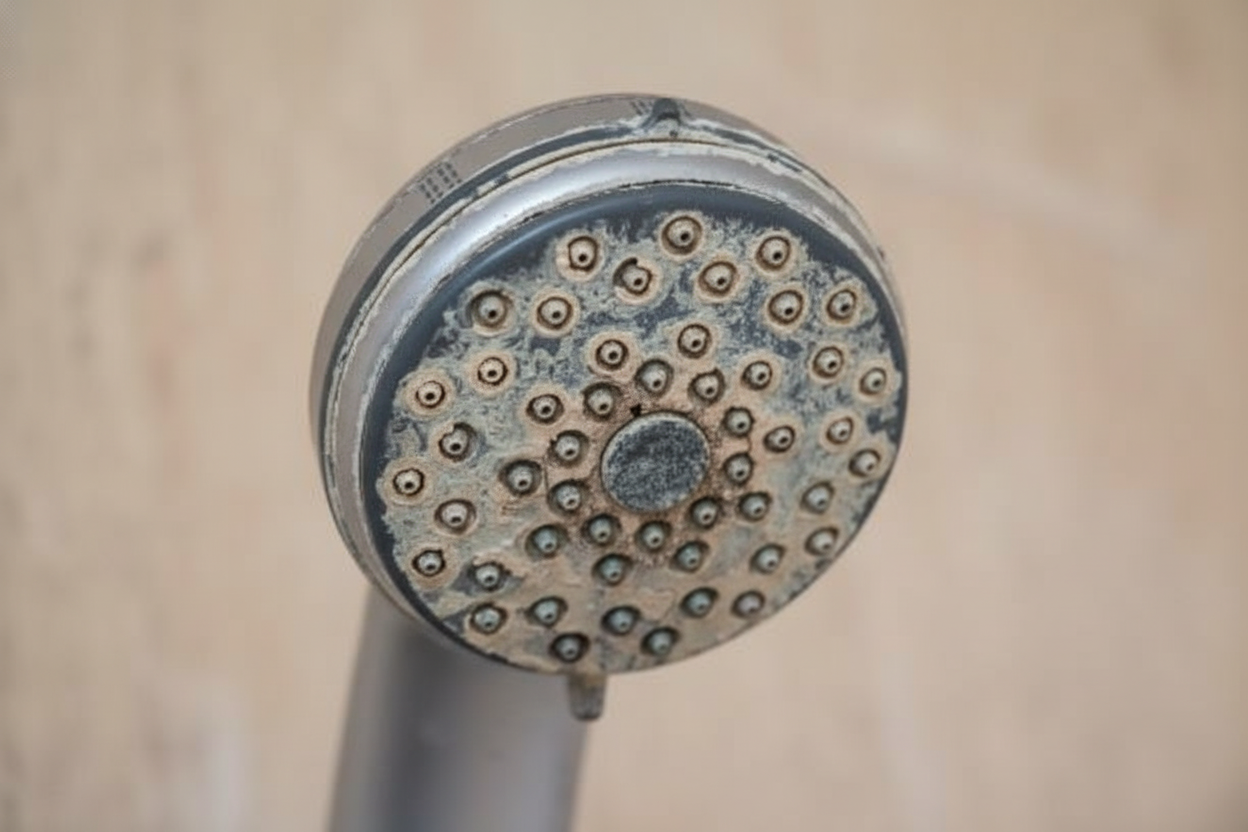
- Scale buildup on faucets and showerheads
- Cloudy shower doors
- Soap that doesn’t lather well
- Dry, itchy skin
- Dull, difficult-to-manage hair
If these sound familiar, hard water may already be affecting your household.
The Hidden Damage Hard Water Causes
The visible signs are annoying—but the real damage is happening inside your home.
Hard water causes mineral buildup in:
- Water heaters
- Dishwashers
- Washing machines
- Ice makers
- Pipes and plumbing systems
Over time, this scale reduces efficiency, increases energy bills, and shortens equipment lifespan. One of the costliest examples is your water heater. When scale builds up inside the tank, the heater has to work harder and may fail years earlier than expected.
Is Raleigh Water Safe to Drink?
Yes—city water is tested and regulated to meet safety standards. But many homeowners still dislike the taste, smell, or chlorine content.
This is one reason why reverse osmosis (RO) drinking water systems have become increasingly popular in Raleigh. RO systems improve taste and reduce contaminants directly at the kitchen sink, giving you higher-quality drinking water without bottled water costs.
Should You Install a Water Softener?
If you’re experiencing any hard water symptoms, a water softener can make a dramatic difference. Softening systems remove the minerals responsible for scale buildup, helping protect your home.
Benefits of a Water Softener
- Reduced scale buildup
- Longer-lasting appliances
- Softer, brighter laundry
- Cleaner dishes and glassware
- Less soap and detergent needed
- Improved shower experience for skin and hair
Every home’s water is unique, which is why proper testing is essential before choosing the right system.
How to Know What’s Really in Your Water
Most Raleigh homeowners have never tested the water flowing through their home daily. This leads to issues that could have been prevented long before costly repairs were needed.
A simple water quality test can reveal:
- Hardness levels
- Chlorine content
- pH balance
- Mineral composition
- Other characteristics affecting your home
Testing gives you a clear understanding of what’s happening inside your plumbing—and what steps you can take to protect your investment.
FAQ
Is Raleigh water considered hard?
Many areas in and around Raleigh test in the moderate-hardness range, contributing to scale buildup and common hard water symptoms.
Does hard water really damage water heaters and appliances?
Yes. Scale forces appliances to work harder, leading to higher energy bills and reduced lifespan.
Is reverse osmosis better than fridge filters?
Absolutely. Fridge filters only improve taste slightly—RO removes dissolved solids and contaminants for much cleaner drinking water.
How do I know if a water softener is right for me?
If you notice cloudy dishes, dry skin, or visible scale, a softener may help. A water test will confirm it.
Where can I get my water tested?
Orca Blue offers free in‑home water testing for homeowners in Raleigh, Wake Forest, Wilmington, and throughout eastern NC.
If you’re concerned about hard water, chlorine, appliance wear, or drinking water quality, now is the perfect time to have your water tested. Orca Blue Water is here to help you understand what’s in your home—and how to protect it for years to come.