
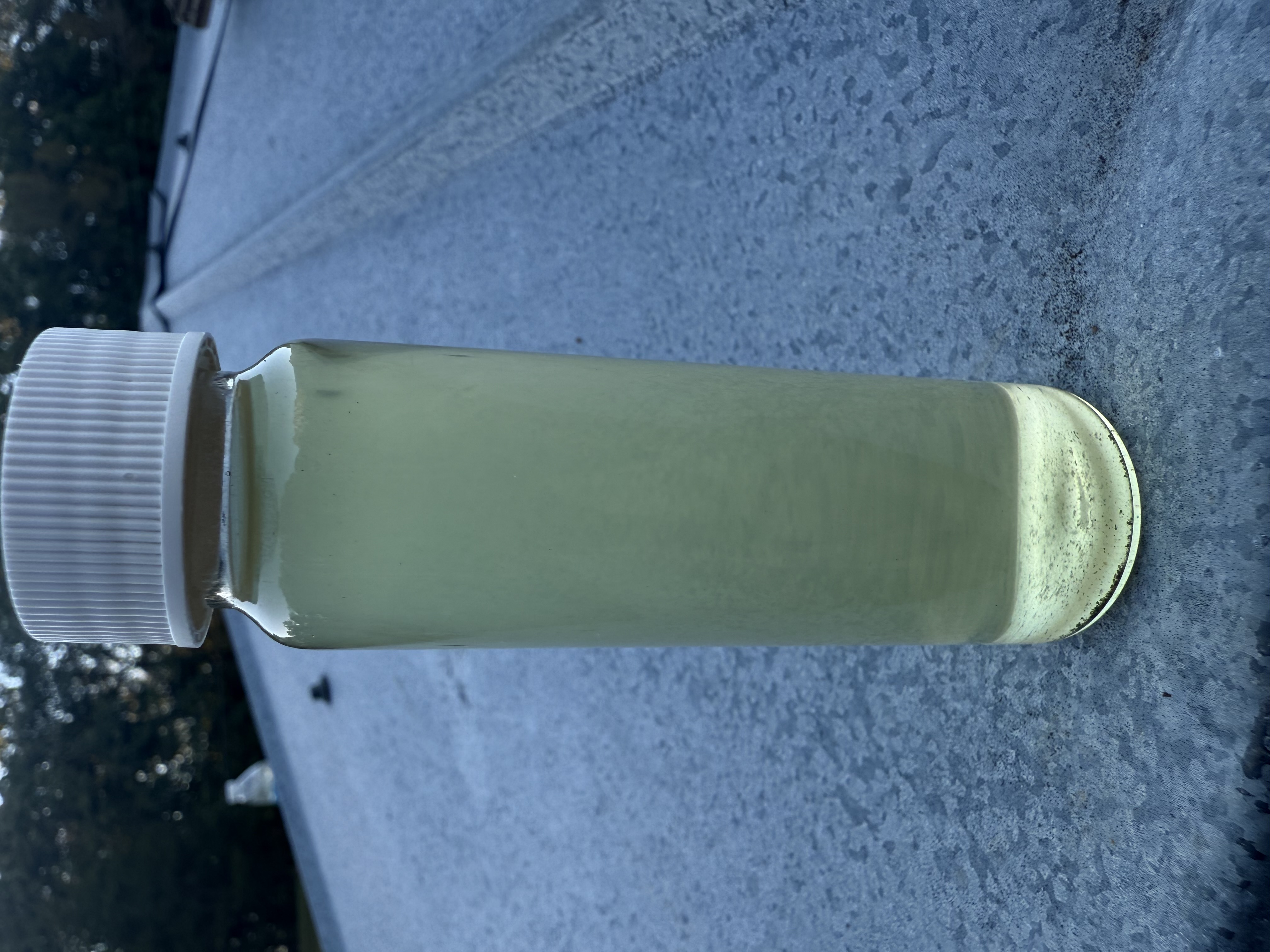
For most Wilmington homeowners, soft water is the better water to shower with. It helps soap rinse more cleanly, can leave skin and hair feeling less coated, and reduces mineral scale on shower doors, fixtures, and water-using appliances. That said, the right treatment decision depends on the water coming into your
home especially whether you have city water
or a private well.
Wilmington’s municipal water is generally on the softer side compared with many hard-water markets, but water conditions, plumbing, and homeowner preferences are not identical from house to house. A water quality test is the best way to determine whether a water softener, whole-home filtration, or another solution makes sense.
What Makes Water Hard or Soft?
Water hardness comes primarily from dissolved calcium and magnesium. The more of those minerals in the water, the more likely you are to notice common hard-water issues: stubborn white residue, spotty glassware, soap scum, dry-feeling skin, dull hair, and scale around fixtures.
Soft water has much lower levels of those hardness minerals. A properly sized water softener uses an ion-exchange process to reduce the calcium and magnesium that create scale and interfere with soap. It does not make the water “empty”; it simply changes the mineral makeup so the water performs differently throughout the home.
Why Soft Water Usually Feels Better in the Shower
Hard water makes it more difficult for soap, body wash, and shampoo to lather and rinse fully. The minerals can react with soap and leave behind a film on skin, hair, tile, glass, and shower fixtures. Many homeowners describe the result as skin that feels tight or coated after bathing and hair that seems less manageable.
With soft water, soaps and shampoos typically lather more easily and rinse more thoroughly. That can mean a cleaner-feeling shower experience, less soap scum on the shower surround, and fewer water spots on glass doors and chrome fixtures. You may also find that you need less soap and shampoo to get the same result.
Soft Water Can Help Protect Your Home
The shower is only one place hard water shows up. When mineral-rich water is heated, calcium and magnesium can form scale inside water heaters, dishwashers, washing machines, coffee makers, and plumbing fixtures. Over time, that buildup can reduce efficiency and create more cleaning and maintenance work.
A whole-home water softener
is designed to address hardness before water reaches those fixtures and appliances. For homeowners who are seeing crusty buildup around faucets, frequent spotting, reduced showerhead flow, or stubborn scale inside appliances, softening can be as much about home maintenance as it is about comfort.
Orca Blue Water helps homeowners understand what is actually happening in their water before recommending a system.
The goal is not to add equipment that is unnecessary it is to identify whether hardness is contributing to the problems you are seeing and select a practical solution for your home.
What About Wilmington City Water?
Cape Fear Public Utility Authority’s recent water quality reporting has shown average hardness levels that fall in the soft range for the Wilmington water system. In practical terms, many city-water homes may not experience the extreme scale associated with very hard water in other parts of the country.
Still, a city-wide average is not a diagnosis for every house. Water can vary over time and by service area, while the condition of a home’s plumbing, water heater, fixtures, and appliances can affect what a homeowner notices. Some people also want a different shower and laundry experience, even when hardness is moderate or relatively low.
If your home uses a private well, testing is even more important. Well water can pick up minerals from the ground and may have hardness, iron, sulfur odor, sediment, or other issues that require a customized treatment approach.
When a Water Softener May Be Worth Considering
Consider having your water tested if you notice any of the following:
- White or chalky residue on shower doors, faucets, or dishes
- Soap scum that returns quickly after cleaning
- Dry-feeling skin or hair that seems difficult to rinse
- Stiff laundry, faded fabrics, or a need for extra detergent
- Reduced flow from showerheads or buildup around fixtures
- Frequent maintenance concerns with water heaters or appliances
These signs do not automatically mean you need a softener. They are a reason to test. Orca Blue Water starts with a free in-home water quality test
so Wilmington homeowners
can see the results and understand the options before making a decision.
Do You Need More Than a Water Softener?
A water softener focuses on hardness minerals. It is not the same as a whole-home filtration system
or a reverse osmosis drinking-water system. Depending on your test results and goals, your home may benefit from one system, a combination of systems, or no treatment at all.
For example, whole-home filtration can target issues such as sediment, chlorine-related taste and odor, or other water-quality concerns. Reverse osmosis is an excellent option for dedicated drinking and cooking water because it can reduce a broad range of contaminants, including lead, man-made chemicals, and sediment. In the Wilmington area, where PFAS detections in the Cape Fear River have been a longstanding concern, reverse osmosis can offer additional peace of mind for the water your family drinks and cooks with.
How Long Does a Water Softener Last?
Most water softeners typically last about five to 10 years, depending on the system, water conditions, maintenance, and warranty coverage. At Orca Blue Water, our Maytag water softener systems include a forever lifetime warranty. If something goes wrong with the system, it is replaced at no cost, excluding the installation fee.
That kind of coverage matters because treatment equipment should be selected for long-term value—not just installed and forgotten. The right system should fit the home, the water, and the homeowner’s expectations for service and support.
Choose Based on Your Water, Not Just a General Rule
If you are asking whether hard or soft water is better for showering, soft water is usually the clear winner for comfort, cleaning, and scale prevention. But whether your Wilmington home needs softening depends on your actual hardness level, where the system would be installed, and the customization you want for your home.
Orca Blue Water is a local, family-owned water treatment company serving Wilmington, Leland, and Hampstead
area homeowners as needed, with water softeners, whole-home filtration, and reverse osmosis options. A free water test
is the simplest first step toward deciding what will make the biggest difference in your shower, laundry, appliances, and drinking water.
FAQ
Is hard water unsafe to shower with?
Hard water is not generally considered a health hazard. The main concerns are its effects on soap performance, cleaning, fixtures, plumbing, and appliances. Some people also prefer the way their skin and hair feel after showering in soft water.
Will soft water make my skin feel slippery?
Soft water helps soap rinse differently than hard water, so it can feel unfamiliar at first. What some people call “slippery” is often the absence of the soap-and-mineral film that hard water can leave behind.
Can I have soft water for showers and filtered water for drinking?
Yes. Many homeowners pair a whole-home softener or filtration system with a reverse osmosis system at the kitchen sink. This approach supports better water performance throughout the home while providing highly filtered water for drinking and cooking.
How do I know whether my Wilmington home needs a softener?
Start with a water quality test.
It can measure hardness and help identify other conditions that may affect treatment recommendations. This is particularly important for private wells and for homes with persistent scale or appliance issues.
Should I buy a system based on a neighbor’s recommendation?
A neighbor’s experience can be helpful, but their water source, plumbing, household size, and treatment goals may be different from yours. Testing your own water gives you a more reliable basis for choosing the right solution.