
Quick Summary:
For many Wilmington homeowners, a reverse osmosis system
is worth considering when they want a higher level of drinking-water filtration at a dedicated kitchen tap. Municipal tap water is treated and monitored to meet drinking-water standards, but an RO system
can be a practical additional layer for households focused on taste, dissolved solids, and personal confidence in the water they drink and cook with every day.
Wilmington water has been at the center of important conversations for years, especially around PFAS and GenX in the Cape Fear River watershed. That does not mean every home needs the same solution. The right recommendation depends on your water hardness, where the system will be installed, your plumbing setup, and how customized you want the final drinking water to be. A professional water quality test is the clearest place to start.
First, Wilmington Tap Water Is Treated and Regulated
Wilmington-area water served by Cape Fear Public Utility Authority is treated, tested, and monitored before it reaches the tap. The utility’s 2025 Drinking Water Quality Report states that its Wilmington system met applicable federal and state drinking-water standards. Its treatment process also includes granular activated carbon at the Sweeney Water Treatment Plant to reduce PFAS compounds, including GenX, from Cape Fear River source water.
That is an important distinction: choosing reverse osmosis is not about declaring local tap water unsafe. For many homeowners, it is about preference, added filtration at the point of use, and having more control over the water used for drinking, coffee, ice, infant formula, and cooking.
What Reverse Osmosis Actually Does
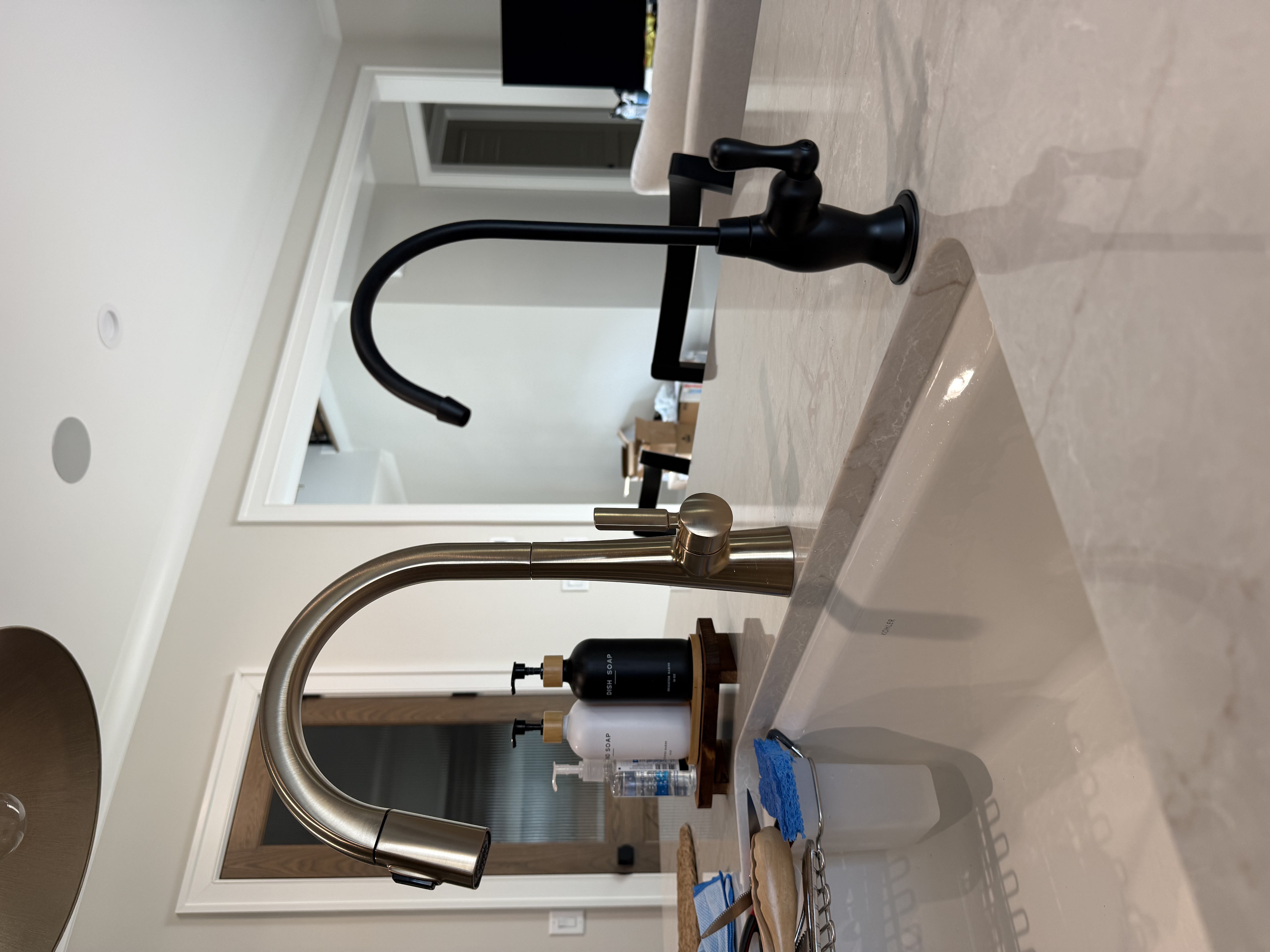
A reverse osmosis system is typically installed beneath the kitchen sink and supplies filtered water through a separate faucet. Water passes through multiple stages of filtration, often including sediment and carbon pre-filters, an RO membrane, and a final polishing filter. The membrane is designed to reduce many dissolved substances that standard pitcher-style filters may not address as thoroughly.
Because it is a point-of-use solution, RO is especially appealing for homeowners who want focused filtration for the water they consume rather than changing water at every fixture in the home. It can improve the clean, crisp taste of drinking water and reduce the minerals and dissolved solids that can affect flavor in coffee, tea, soups, and ice.
For Wilmington homeowners, this makes reverse osmosis a highly recommended option when the goal is premium drinking water at the sink. It is also a useful complement to whole-home water filtration, which is designed to address water throughout showers, appliances, and plumbing fixtures.
Why Water Source and Location Matter
Not every home in the Wilmington area receives water from the exact same source or has the same plumbing conditions. Much of the area is served by a system using a blend of treated Cape Fear River water and groundwater sources, while some homes may be on private wells. A well-water system should never be selected based on a neighbor’s setup or an online guess; well water can vary dramatically by property.
Even two homes on city water can have different experiences because of pipe age, household water use, and the distance water travels through the distribution system. Installation location matters too. Available space under the sink, drain access, refrigerator connections, water pressure, and the homeowner’s desire for a dedicated faucet or refrigerator line all shape the ideal system design.
That is why Orca Blue Water begins with homeowner education and a free water quality test. Instead of pushing a one-size-fits-all water treatment package, the goal is to identify what is actually present and build a solution around the home.
Do You Need a Water Softener Before RO?
In many North Carolina homes, hard water deserves attention because minerals such as calcium and magnesium can leave scale on fixtures, reduce appliance efficiency, and create spots on dishes. Hardness can also affect how efficiently a reverse osmosis membrane operates over time.
An RO system can still be an excellent drinking-water solution, but it may perform best as part of a broader plan. If testing shows significant hardness, a water softener or whole-home filtration system may be recommended first or alongside RO. This helps protect plumbing and appliances while supporting the performance of the under-sink drinking-water system.
The key is not to assume that city water and well water need identical treatment. A customized recommendation should reflect your test results, your goals, and the way your household uses water.
What About Minerals in RO Water?
Because reverse osmosis reduces dissolved solids, some homeowners ask whether filtered water needs minerals added back in. For most households, minerals primarily come from food rather than drinking water. Still, taste preferences are personal. A coconut-shell carbon post-filter can polish the water and create a smoother, more refreshing finish, while remineralization options may be available for homeowners who prefer them.
This is another reason customization matters. The best system is not simply the one with the most stages; it is the one that matches the homeowner’s water, taste preferences, installation space, and long-term goals.
When Reverse Osmosis Makes Sense
Reverse osmosis is often a strong fit if you want:
- A dedicated source of filtered water for drinking and cooking
- Better-tasting coffee, tea, ice, and recipes
- Additional point-of-use filtration beyond municipal treatment
- A tailored solution for city water or well water
- A system that can be paired with whole-home filtration or water softeners
It may be especially worthwhile for homeowners who are already buying bottled water, dislike the taste of their tap water, or want greater confidence in the water their family uses most often. Rather than relying on assumptions, a free water test can show whether reverse osmosis, whole-home filtration, softening, or a combination is the most sensible next step.
Why Work With Local Water Experts?
Orca Blue Water serves North Carolina homeowners with a local, relationship-first approach to water treatment. Wilmington customers deserve a recommendation based on their actual water not a generic sales pitch. From the first water quality test through water filtration installation and service, the focus is on clear answers, practical options, and a system designed for the home.
If you are comparing reverse osmosis systems in Wilmington, the best question is not simply, “Is RO worth it?” Ask: “What does my water need, and what would make the biggest difference for my family?” That is the question a proper water quality test can answer.
FAQ
Is Wilmington tap water safe to drink?
CFPUA treats and monitors its drinking water, and its 2025 report states that its Wilmington water system met applicable federal and state standards. Homeowners may still choose additional filtration for taste, preference, or added point-of-use treatment.
Does reverse osmosis remove PFAS?
RO is widely used as a high-performance point-of-use filtration technology. Your specific recommendation should be based on your water source, testing results, and the system’s documented capabilities. Wilmington’s utility also uses treatment processes designed to reduce PFAS in the public water supply.
Can reverse osmosis be installed on well water?
Yes, but well water should be tested first. Depending on the results, sediment filtration, iron treatment, softening, or other pre-treatment may be appropriate before an RO system.
Will reverse osmosis help with hard water?
RO can reduce dissolved solids at the drinking-water tap, but a water softener is generally the better whole-home solution for hardness-related scale, appliance protection, and fixture buildup.
How do I know which system is right for my home?
Start with a free in-home water quality test.
Orca Blue Water can review hardness, source-water conditions, installation location, and your household’s preferences before recommending a customized solution.
For more information on Wilmington-area drinking-water treatment, visit CFPUA’s Drinking Water Quality page and its 2025 Drinking Water Quality Report.