
Quick Summary:
For most healthy people, drinking reverse osmosis (RO) water
is not known to be hard on the kidneys. RO is a point-of-use filtration process that reduces many dissolved substances in drinking water. If you have chronic kidney disease, are on dialysis, have been given a fluid restriction, or follow a prescribed mineral-controlled diet, your kidney-care team should guide your water choices.
Homeowners often hear conflicting claims about purified water. One concern comes up again and again: “Does reverse osmosis water make my kidneys work harder?” The short answer for the average healthy adult is no. In fact, choosing clean, appealing drinking water can make it easier to maintain healthy hydration habits. At Orca Blue Water, we believe homeowners deserve a clear explanation not scare tactics before choosing a water treatment solution.
What Reverse Osmosis Water Is
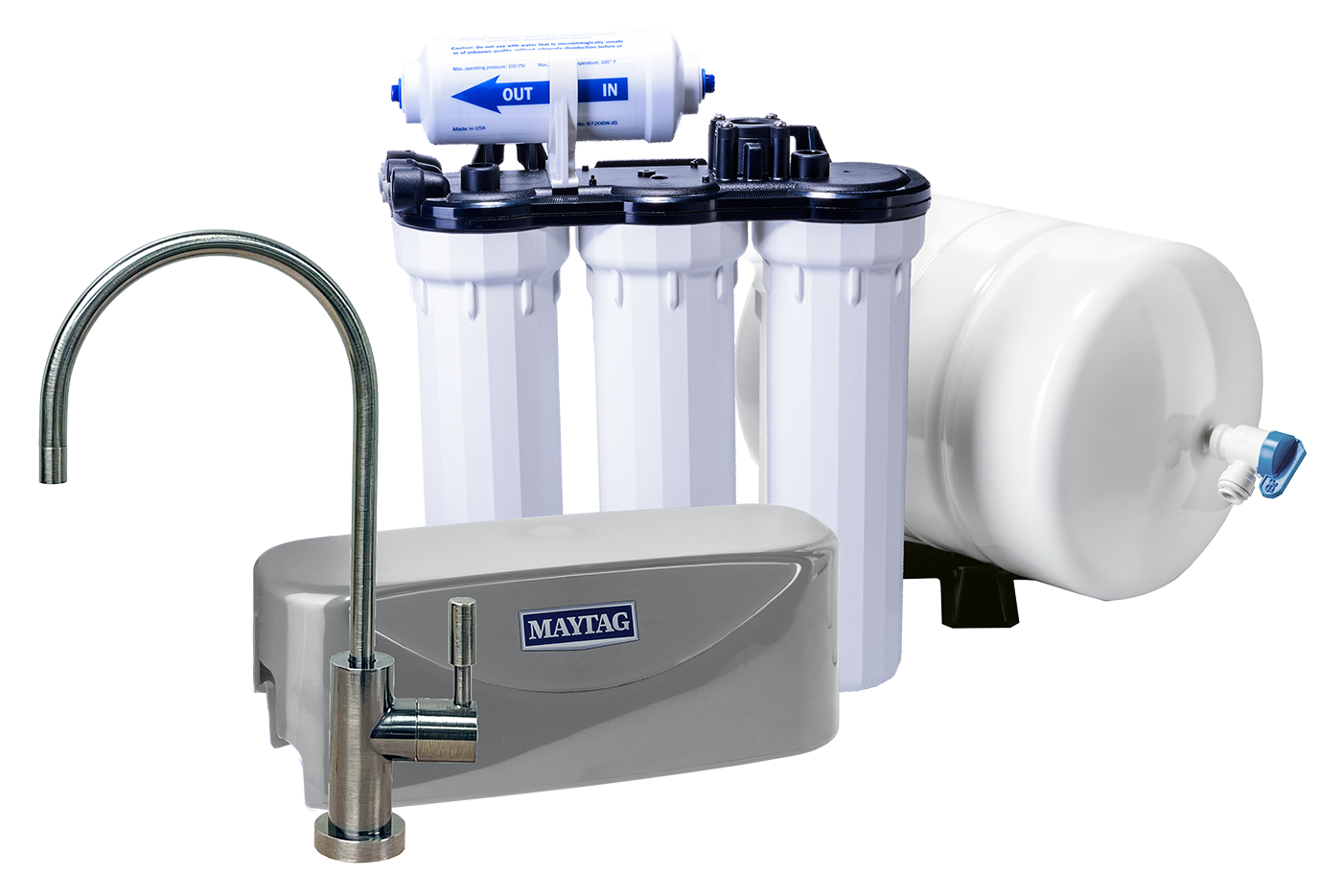
Reverse osmosis is a water filtration process that uses pressure and a specialized membrane to reduce many dissolved contaminants and compounds. A typical under-sink RO system also includes prefilters and post-filters to support the membrane and improve the taste of the finished water.
RO can reduce substances such as total dissolved solids, sodium, lead, nitrate, and other contaminants depending on the system, incoming water, maintenance, and the specific performance claims of the unit. It is not simply “stripped water” it is water that has been treated at the drinking-water tap to reduce selected dissolved materials.
Why RO Water Is Not Generally Hard on Healthy Kidneys
Your kidneys constantly filter your blood and help regulate fluid, electrolytes, and waste products. Drinking safe water does not force healthy kidneys to “overwork” simply because the water has gone through an RO system. The body gets most of its essential minerals from food, including vegetables, fruits, dairy, protein foods, legumes, and fortified products not from drinking water alone.
What matters most is staying appropriately hydrated and choosing water that is suitable for your household’s needs. If hard, unpleasant, or off-tasting water makes someone drink less, a properly maintained reverse osmosis system can be a practical way to improve taste and encourage regular water intake.
The Mineral Question: What RO Removes
It is true that reverse osmosis can reduce minerals such as calcium and magnesium along with other dissolved substances. That is part of why RO water often has a clean, light taste. But this does not mean that RO water automatically causes a mineral deficiency. A balanced diet is the primary source of these nutrients for most people.
Some homeowners simply prefer a fuller taste. In those cases, a remineralization stage or a coconut-shell carbon post-filter may be an option to discuss. The right setup depends on your household’s preferences and your incoming water quality. The goal is not to make broad promises about every home; it is to match the right treatment system to the water coming into that home.
When Kidney Patients Should Get Personalized Advice
People with kidney disease may have individualized recommendations for fluids, sodium, potassium, phosphorus, or other nutrients. Those recommendations can vary widely based on kidney function, medications, lab results, and whether a person receives dialysis. For that reason, someone with chronic kidney disease should not rely on generic advice from the internet or a water company to make medical decisions.
If you or a family member has kidney disease, ask your nephrologist or renal dietitian what water choices fit your plan. This is especially important if you use mineral additives, electrolyte products, salt substitutes, or specialized water products. Your care team can explain what is appropriate for your individual condition.
Water Quality Still Matters in the Triangle Area
In Raleigh, Wake Forest, Durham, and throughout the Triangle area, homeowners may be dealing with very different water concerns. City-water households may want better taste or targeted reduction of certain dissolved materials. Well-water households can face hardness, iron, sediment, sulfur odors, bacteria concerns, or other conditions that require a different approach.
That is why an RO system should not be chosen based on a single online claim. A reverse osmosis system is often an excellent drinking-water solution, but it is usually just one part of a complete water-treatment conversation. Whole-home filtration and water softeners address different issues than a dedicated drinking-water RO system.
Proper Maintenance Is Part of Healthy Drinking Water
No filtration system should be treated as “install it and forget it.” Filters and membranes need to be replaced on schedule, and the system needs to be selected for the water it will treat. Neglected systems may not perform as intended.
Orca Blue Water starts with a free in-home water quality test
so homeowners can understand what is actually in their water before selecting a system. That helps avoid overspending, under-treating, or installing equipment that does not fit the household’s needs. Local guidance and five-star service matter because water treatment is not one-size-fits-all.
FAQ
Can RO water cause kidney stones?
There is no general rule that RO water causes kidney stones. Kidney-stone risk depends on many factors, including personal medical history, fluid intake, diet, and the type of stone. Anyone with a history of kidney stones should follow guidance from their healthcare professional.
Does reverse osmosis water remove healthy minerals?
RO can reduce dissolved minerals, including calcium and magnesium. For most people, however, food not drinking water is the main source of essential minerals. A remineralization option can be considered if preferred for taste or household goals.
Is RO water better than softened water for drinking?
They do different jobs. A water softener reduces hardness minerals throughout the home, while an RO system is typically installed at a kitchen sink to reduce dissolved materials in drinking water. Many homes benefit from both, depending on their water test results.
Should someone on dialysis drink RO water?
Dialysis patients should follow their nephrologist’s and renal dietitian’s specific recommendations. Fluid limits and mineral targets can be medically important, so individualized clinical advice should always come first.
How do I know whether reverse osmosis is right for my home?
Start with a water quality test and a conversation about your household’s water source, goals, and budget. Orca Blue Water helps homeowners across Wake Forest, Raleigh, Durham, and the surrounding Triangle area understand their options before making a decision.
If you are concerned about hard water, water taste, well-water conditions, or what may be in your drinking water, schedule a free water test with Orca Blue Water. We will help you identify a practical, affordable water treatment solution for your home.