
There is no one-size-fits-all price for well water treatment in Wilmington, Hampstead, and Leland
NC and that is actually a good thing. The right system should be based on what is in your water, how hard it is, where equipment can be installed, and what your household wants to improve. A water softener, whole-home filtration system, reverse osmosis drinking-water system, or combination setup can solve very different problems. The best first step is a professional water test, not a guess.
For Wilmington-area homeowners, Orca Blue Water starts with a free in-home water quality test
so you can understand your water before choosing a solution. That approach helps prevent paying for equipment that does not address the problem you actually have.
Why Well Water Treatment Costs Vary
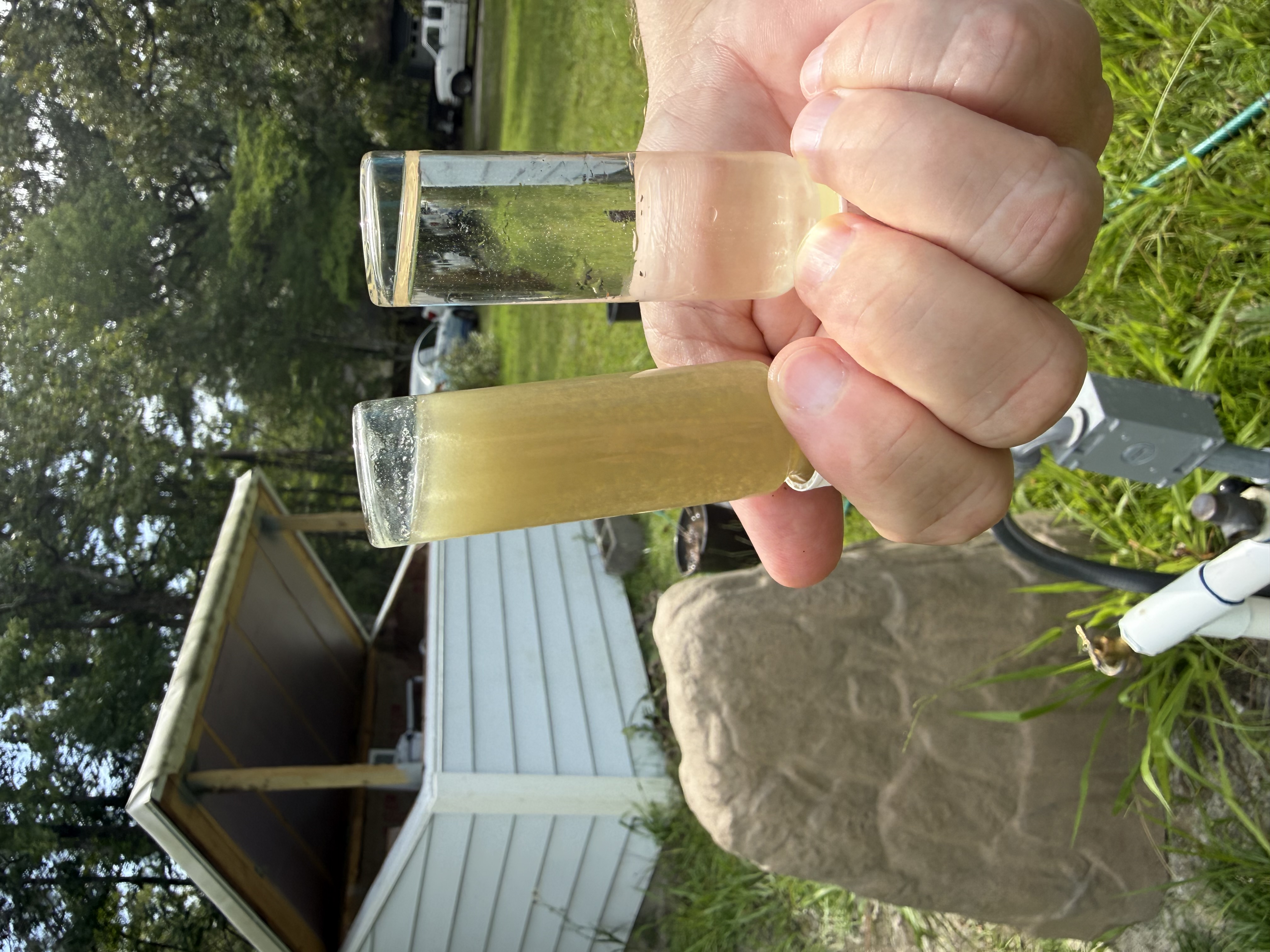
Well water is not treated by a municipal utility before it reaches your home. Its chemistry can vary by neighborhood, well depth, surrounding soil, plumbing, and seasonal conditions. One household may be dealing primarily with hard water scale, while another may have iron staining, sulfur odor, low pH, bacteria concerns, sediment, or a need for additional drinking-water filtration.
That is why a flat online quote can be misleading. The final recommendation depends on the treatment method, the size of the system, the amount of water your household uses, installation requirements, and any desired upgrades. A smaller home with a single water concern may need a simpler setup than a larger home with several water-quality goals.
Start With a Water Quality Test
Testing is the foundation of a smart well water system. In North Carolina, private well owners are responsible for monitoring their water quality. State health guidance recommends regular testing for bacteria and other potential concerns, because many issues cannot be identified by taste, smell, or appearance alone. New Hanover County also identifies testing options for private-well households and notes that local testing can cover items such as bacteria, pH, iron, manganese, nitrate, lead, and other constituents.
A water test helps answer practical questions: Is the water hard? Is iron causing orange staining? Is sediment affecting fixtures and appliances? Is there an odor? Do you want added confidence in the water used for drinking and cooking? Once those answers are clear, Orca Blue Water can recommend the right system instead of treating every home the same way.
Common Well Water Treatment Solutions
Water softeners
are designed to reduce hardness minerals that can leave white scale on fixtures, make soap harder to rinse, dry out skin and hair, and shorten the useful life of water-using appliances. For many Wilmington homes, softening is a whole-home improvement because every faucet, shower, dishwasher, and water heater benefits from treated water.
Whole-home filtration
can address concerns such as sediment, discoloration, unpleasant odors, iron, manganese, or other water conditions identified during testing. The specific filtration media and equipment configuration should match the results. A system that works well for sediment is not automatically the right treatment for hardness, bacteria, or a drinking-water concern.
Reverse osmosis systems
are installed at a kitchen sink or another point of use to improve water for drinking and cooking. They can reduce many dissolved contaminants, including lead, sediment, and man-made chemicals. In the Wilmington area, where PFAS and GenX have been an ongoing local conversation, reverse osmosis can offer additional peace of mind for the water your family drinks and uses to prepare food. The Cape Fear River has documented PFAS detections; a home’s individual water source and test results should guide the appropriate solution.
Installation Details Affect the Recommendation
Equipment is only part of the equation. A qualified installer needs to consider where the system will go, whether there is adequate drainage, the condition of existing plumbing, the location of the pressure tank, access to power, and how much water the household uses during busy times.
For example, a well water system must be sized for the home not simply selected because it is the least expensive option. An undersized system can struggle to keep up with family demand. A poorly placed system can be difficult to service. Orca Blue Water evaluates those details in person so the system fits your home and your routine.
Think About Long-Term Value, Not Just the Initial Purchase
When comparing well water systems, look beyond the initial installation. Consider warranty coverage, expected maintenance, consumables, service support, and the protection the equipment provides to plumbing and appliances. Water softeners commonly last about five to ten years depending on the warranty and system design. Orca Blue Water offers Maytag water-softening systems with a forever lifetime warranty; if something goes wrong, the system can be replaced at no cost other than the installation fee.
A quality system may also help homeowners avoid recurring costs tied to mineral buildup, stained fixtures, frequent cleaning, appliance wear, and bottled drinking water. The right treatment plan should feel like an investment in your home’s water, not a confusing surprise purchase.
Questions to Ask Before Choosing a Company
- Will you test my water before recommending equipment?
- What specific water issues is this system designed to address?
- How is the system sized for my household?
- What maintenance will it need over time?
- What warranty and local service support are included?
- Are financing options available?
Orca Blue Water believes homeowners deserve clear answers. As local water experts serving Wilmington and surrounding North Carolina communities, the team focuses on education, transparent recommendations, professional installation, and affordable financing options that help make better water accessible.
FAQ
Can I tell what treatment I need by looking at my water?
Not reliably. Cloudiness, stains, odor, and scale can offer clues, but many important water-quality issues are invisible. Testing is the best way to identify the right treatment approach.
Do all well-water homes need a water softener?
No. A water softener is recommended when hardness is a meaningful concern. Your water test and household goals determine whether softening, filtration, reverse osmosis, or a combined system makes the most sense.
Should I be concerned about PFAS in Wilmington well water?
PFAS has been documented in the Cape Fear River region, so it is reasonable for homeowners to understand their individual water source and testing options. Reverse osmosis
can be a valuable drinking-water solution when appropriate for the home.
How long does a water treatment system last?
System life depends on the equipment, water conditions, maintenance, and warranty. Many water softeners last five to ten years, while strong warranty coverage can provide additional long-term confidence.
What is the best first step?
Schedule a free water quality test with Orca Blue Water. Once you know what is in your water, you can make an informed decision about a well water system that fits your Wilmington home.