
Have you ever noticed white spots on your dishes? Or maybe your shower glass looks cloudy no matter how often you clean it. Perhaps your skin feels dry after every shower, or your appliances don’t seem to last as long as they should.
If any of this sounds familiar, there’s a good chance hard water is the reason.
Hard water is one of the most common issues for homeowners throughout Eastern North Carolina, including Raleigh, Wake Forest, Clayton, Wilmington, Fayetteville, Leland, Hampstead, and nearby communities. Below, we’ll cover the 10 biggest signs of hard water, what causes it, and how a water softener can help protect your home.
What Is Hard Water?
Hard water contains high levels of minerals—mainly calcium and magnesium. In North Carolina, our shallow water table allows soil and rock to naturally absorb these minerals before the water reaches your home.
Hard water isn’t a health risk, but it causes expensive and frustrating problems throughout your home, often without you realizing it.
Sign #1: Cloudy Dishes & Glassware
You run the dishwasher, the dishes look clean… but they come out covered in white, cloudy spots. That film is hard mineral residue left behind as water evaporates.
Without proper filtration, these minerals continue to clog dishwashers, water heaters, and washing machines over time.
Sign #2: White Scale on Faucets & Showerheads
White, crusty buildup around faucets or showerheads is called scale. Hard water minerals gradually accumulate on fixtures, reducing water flow, lowering efficiency, and making fixtures look worn out.
Sign #3: Dry Skin and Hair
One of the most common complaints we hear from Raleigh and Wilmington homeowners is:
“My skin always feels dry after I shower,” or “My scalp feels itchy.”
Hard water prevents soap and shampoo from rinsing away properly, causing dryness and irritation. Many homeowners notice softer skin and more manageable hair after switching to a professionally installed whole-home filtration system.
Sign #4: Soap Doesn’t Lather Well
Hard water reduces soap’s effectiveness, meaning homeowners use more:
- Shampoo
- Dish soap
- Laundry detergent
- Household cleaners
And yes—those costs add up.
Sign #5: Stiff or Faded Laundry
Hard water minerals settle into fabrics, causing:
- Stiffer towels
- Faded clothing
- Rough textures—even after washing
This is extremely common in families using hard water daily.
Sign #6: Constantly Cleaning Shower Glass
If you’re always scrubbing white spots off your shower doors only to see them return a few days later, that’s hard water buildup. The minerals settle every time water evaporates, creating a frustrating cycle.
Sign #7: Water Heater Working Overtime
Hard water is especially tough on water heaters. Scale buildup forces the heater to work harder to warm the same amount of water, leading to:
- Higher energy bills
- Reduced efficiency
- Early system failure
Many Raleigh and Wilmington homeowners unknowingly spend thousands on repairs and replacements—simply because of untreated hard water.
Sign #8: Plumbing Scale Buildup
Hard water doesn’t just damage appliances—it damages plumbing. Over time, mineral buildup inside pipes restricts flow, adds pressure, and reduces overall performance.
We work with many new homeowners who want to get ahead of these issues before they become costly.
Sign #9: Higher Soap & Cleaning Costs
When soap doesn’t work well, people use more of it. This increases spending on:
- Detergents
- Shampoos
- Body wash
- Cleaning products
A whole home water softener helps reduce soap usage dramatically.
Sign #10: You’ve Never Tested Your Water
The biggest sign of all? You simply don’t know your water quality.
Many homeowners assume everything is fine because they’ve lived with their water for years. But until your water is tested, you truly don’t know what’s inside it—or how much it may be affecting your home.
At Orca Blue, our free in-home water testing uses chemistry to visually show your hardness levels and other important characteristics so you can see exactly what’s happening.
How a Water Softener Helps
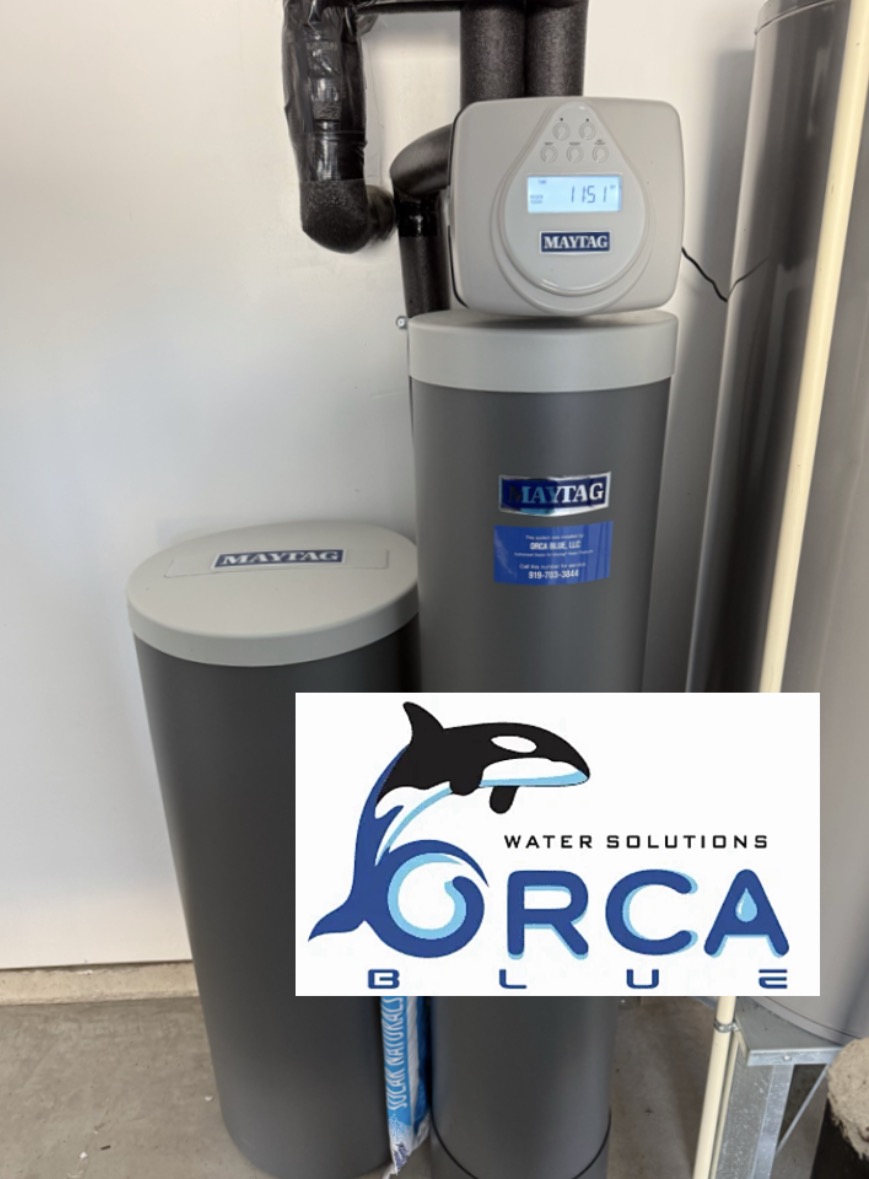
A whole-home water softener is designed to remove the hard minerals causing scale and buildup throughout your home.
Homeowners choose water softeners for benefits like:
- Spot‑free dishes
- Reduced scale buildup
- Softer skin and hair
- Improved soap performance
- Cleaner fixtures
- Longer-lasting plumbing and appliances
- Better overall water quality
For many families in Raleigh and Wilmington, a water softener becomes one of the most valuable home upgrades they’ll ever make.
Conclusion
If you’ve noticed any of these signs, hard water is likely affecting your home more than you realize—and costing you money in the long run.
The good news: Orca Blue offers free in‑home water testing to help you understand what’s in your water and how to protect your home from expensive repairs and replacements.
We proudly serve homeowners throughout Raleigh, Wake Forest, Clayton, Wilmington, Fayetteville, Leland, Hampstead, and communities across Eastern North Carolina.
Want to learn more about water softeners, hard water solutions, or drinking water improvements? We’re here to help.