
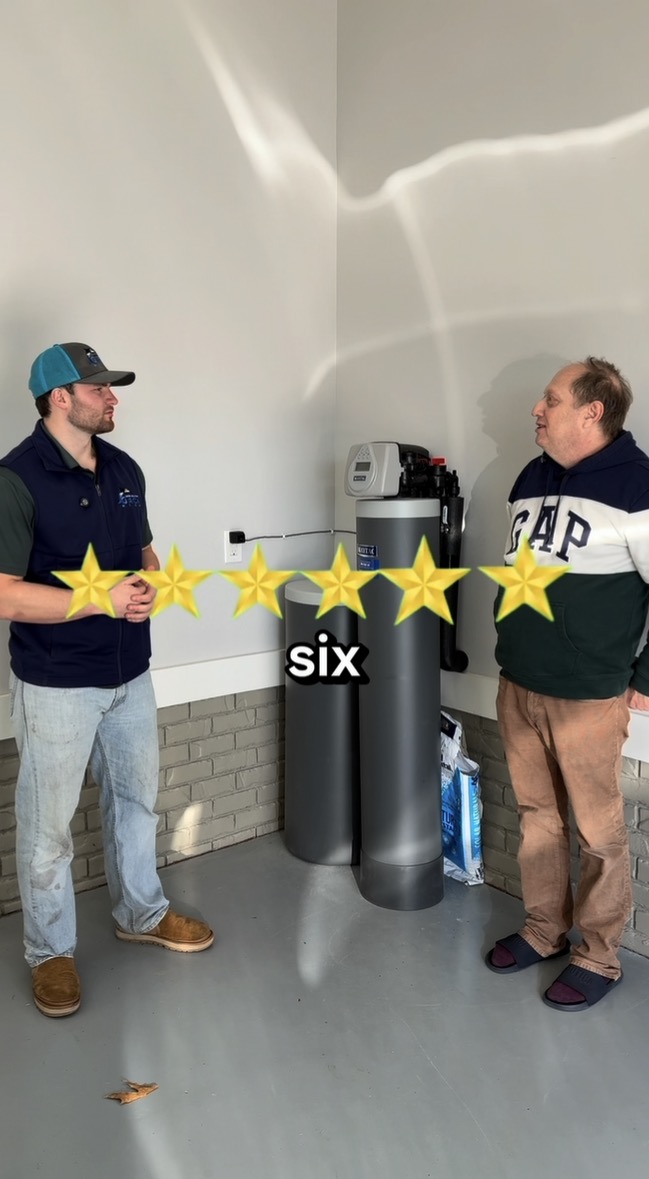
The best water treatment for well water
in Wilmington, Hampstead, and Leland, NC is not one product it is a system designed around your home’s actual water test results. Many homeowners benefit from a whole-home setup that addresses hardness, iron, sulfur odor, acidity, sediment, or bacteria, plus a reverse osmosis system
at the kitchen sink for cleaner cooking and drinking water. Orca Blue Water starts with a free in-home water quality test
so the recommendation fits the water, the home, and the family using it.
Private wells
are the homeowner’s responsibility, which makes regular testing especially important. The EPA recommends testing private wells at least annually for total coliform bacteria, nitrates, total dissolved solids, and pH and testing sooner after flooding, repairs, changes in taste or odor, or nearby land-use changes.
Why There Is No One-Size-Fits-All Well Water System
Well water can vary dramatically from one Wilmington-area property to the next. A neighbor may be dealing with hard water scale, while another homeowner a few miles away has iron staining, sulfur smell, low pH, bacteria, or a combination of concerns. Installing the wrong equipment can leave the underlying problem untreated or create unnecessary maintenance.
That is why a quality water treatment plan begins with testing, not guessing. The right system depends on hardness levels, pH, iron and manganese levels, sulfur odor, sediment, bacteria results, and whether there are site-specific concerns that call for additional testing. Wilmington-area well owners should also stay aware of regional PFAS sampling resources in the Lower Cape Fear area.
Start With a Water Quality Test
A proper evaluation should look beyond whether water appears clear. Clear water can still have issues that affect plumbing, appliances, taste, and peace of mind. At a minimum, well owners should understand bacterial results, pH, total dissolved solids, nitrates, and the mineral content that contributes to hard water.
Signs that it is time to test include orange or black stains, scale buildup on fixtures, dry skin after bathing, rotten-egg odor, cloudy water, metallic taste, frequent plumbing problems, or a recent flood or well repair. If a certified laboratory identifies a health-related contaminant, follow the guidance of local public-health professionals and confirm results with appropriate follow-up testing.
Water Softeners for Hard Water
Hard water is one of the most common quality-of-life issues for North Carolina homeowners. Calcium and magnesium can leave white scale on faucets and glassware, reduce soap lather, shorten the useful life of water-using appliances, and make cleaning more difficult.
A correctly sized water softener removes hardness minerals before they travel throughout the house. This makes a whole-home softener a strong option when the goal is to protect fixtures, water heaters, dishwashers, washing machines, and plumbing while improving the feel of water for showers and laundry. If iron or manganese is present, the treatment design must account for those minerals as well; they can affect softener performance and may require dedicated pretreatment.
Filtration for Sediment, Iron, Odor, and Other Issues
Whole-home filtration is often paired with a softener or used as the main solution when hardness is not the primary problem. The best filter media and configuration depend on the test results.
- Sediment filtration can help protect equipment from sand, silt, and fine particles.
- Iron and manganese treatment can help reduce staining and metallic taste.
- Sulfur treatment can address rotten-egg odor when hydrogen sulfide is the cause.
- pH correction may be appropriate for acidic water that can contribute to corrosion.
- Carbon filtration can improve certain tastes and odors and may be part of a broader treatment approach.
Orca Blue Water designs whole-home filtration around the conditions found at the property, rather than trying to sell every homeowner the same package. That local, education-first approach helps Wilmington homeowners understand what their water is doing and why a particular solution is recommended.
UV Disinfection When Bacteria Is a Concern
If testing identifies bacterial contamination or a well has recurring microbiological concerns, ultraviolet disinfection may be part of the solution. A UV system is designed to disinfect water as it enters the home, but it works best when the water is properly pretreated. Sediment, cloudiness, and certain minerals can interfere with UV performance, so filtration often comes first.
UV is not a substitute for investigating the source of contamination. Well construction, damaged caps, flooding, septic concerns, and surface-water intrusion may need attention alongside treatment. The goal is not simply to add equipment—it is to protect the water source and create reliable treatment at the point where water enters the home.
Reverse Osmosis for Drinking and Cooking Water
For homeowners who want an added layer of filtration at the kitchen sink, reverse osmosis is often the best companion to a whole-home system. Point-of-use RO systems use a membrane process to reduce a range of dissolved contaminants at one dedicated faucet. They are especially useful for drinking water, ice, coffee, and cooking.
In the Wilmington area, it is reasonable for well owners to ask questions about PFAS because of documented regional concerns in the Cape Fear watershed and ongoing private-well sampling programs. Testing determines whether PFAS is present in an individual well; it should not be assumed that every well has the same result. When RO is appropriate, it can provide an extra measure of confidence for the water your family consumes most.
What a Strong Well Water Setup Often Looks Like
For many homes, the best answer is a customized combination: sediment protection first, targeted filtration for iron, sulfur, or pH as needed, a water softener for hardness, UV disinfection when bacterial treatment is warranted, and reverse osmosis at the kitchen sink. The order matters because each component helps protect the next.
Orca Blue Water helps homeowners in Wilmington build practical well water systems that fit their specific water quality, installation location, and household goals. As a local, family-owned team, we focus on clear explanations, five-star service, and options that make better water more accessible.
FAQ
Do I need a water softener if I have a well?
Not always. A softener is the right choice when testing confirms hard water at a level that is causing scale, cleaning issues, or appliance concerns. Other well-water problems may require filtration, pH correction, UV, or a combination of treatments instead.
Will a whole-home filter make well water safe to drink?
It depends on what is in the water and what the filter is certified to reduce. A whole-home filter may improve specific issues, but treatment should always match laboratory results. For drinking and cooking water, many homeowners add reverse osmosis at the kitchen sink.
How often should Wilmington homeowners test well water?
Annual testing is a smart baseline, with additional testing after flooding, repairs, noticeable water changes, or local environmental concerns. A water professional can help interpret nuisance-water issues, while a certified laboratory should be used for health-related analysis.
Can reverse osmosis help with PFAS?
Reverse osmosis can reduce certain PFAS compounds when the system is certified for that claim. If PFAS is a concern, begin with appropriate testing and select equipment based on the specific results.
What is the first step toward better well water?
Start with a water quality test. Orca Blue Water offers a free in-home water test for Wilmington homeowners so you can make a confident decision based on what is actually in your water not a guess.